

-
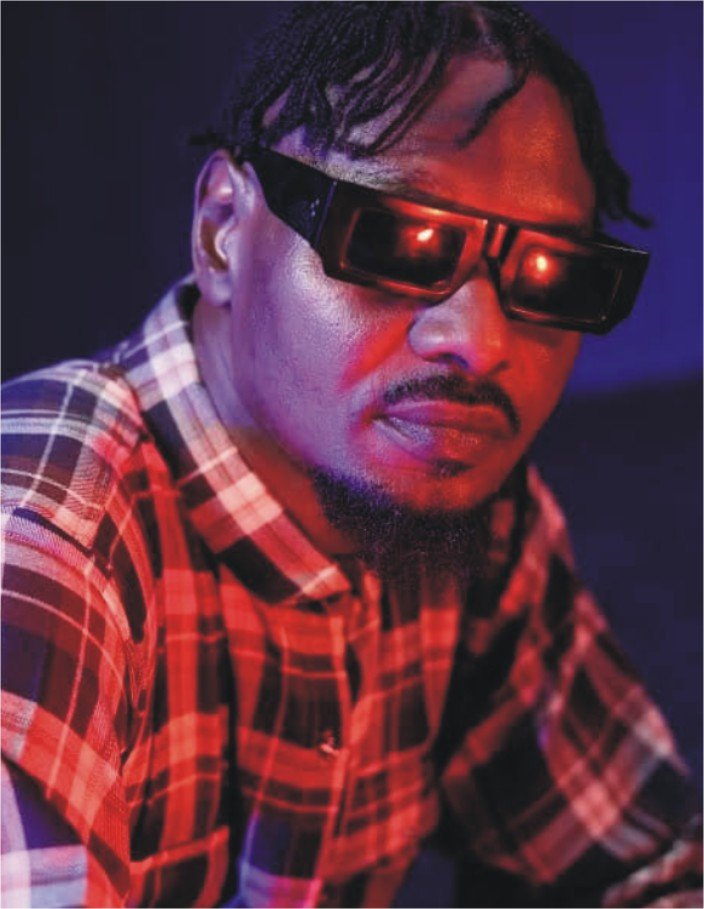
Veteran Music Act, C-Mion
Singer and songwriter C-Mion, whose real name is Simeon Oroghere, is one of the artistes whose experiences connect the early days of Nigerian hip-hop with the industry’s present Afrobeats era. From starting out as a church chorister at 13 to gaining recognition for his vocals on a song with veteran rapper Ruggedman, C-Mion has witnessed the changes that have reshaped the music business.
In this interview with City People’s Showbiz Reporter, EMMANUEL DANIJI, the Delta State-born singer reflects on his early days, his discovery by the late producer OJB Jezreel, his identity as an R&B artiste, the impact of streaming platforms and his EP, The Elevation. He also discusses how the industry has changed and what it means to have influenced a younger generation of musicians.
Can you introduce yourself to our readers and tell us a little about your background?
My name is C-Mion, also known as Simeon Oroghere. I am from Delta State, and I am the guy who sang the hook on that legendary song with Ruggedman. My journey into music started when I was a chorister in church at the age of 13.
You started music at a time when the Nigerian music industry was still developing. How would you describe the journey from those early days until now?
A lot has changed. Back then, we did not even call the music Afrobeats. We referred to ourselves as hip-hop artistes. The industry has evolved tremendously, especially with technology. Today, we have artificial intelligence and a more structured way of doing things.
In those days, you had to print CDs and take them to radio stations to promote your music. You had to do a lot of physical work to get people to hear your songs. Now, technology has made several things easier. You can do so much from the comfort of your home.
What would you say has been the biggest difference between the industry you entered and the one we have today?
Technology has made a tremendous difference. The way music is recorded, promoted, distributed and consumed has changed. There are more opportunities for artistes to reach listeners, and the business has become more organised in certain areas.
The industry has moved from a period when artistes depended heavily on physical distribution and radio promotion to one where digital platforms play a major role. That is one of the biggest changes I have witnessed.
How important are streaming platforms to artistes today?
Streaming platforms have created more opportunities for artistes to earn from their work. They can make money through royalties and publishing, and their music can reach people in different parts of the world.
That is a significant development because music is not restricted to one location anymore. With the right distribution and exposure, an artiste can reach listeners far beyond Nigeria.
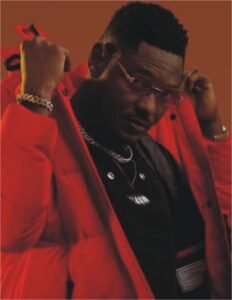
How would you describe your sound, and what kind of music should people expect from you?
Basically, I categorise myself as an R&B artiste, but I also do pop music because it allows me to explore other genres, including rap, hip-hop and jazz.
I enjoy having the freedom to explore different sounds. For me, music is about creativity and finding ways to express myself. I do not want to restrict myself to just one style when there are so many musical possibilities.
What do you consider your greatest strength as a musician?
I have always believed that I have a distinct voice, and I am very good at writing hooks. That has been one of my strengths as a musician.
A good hook can make a song memorable. It is often the part people sing along to, even when they cannot remember every other line. I have always enjoyed that aspect of songwriting, and it is one of the things that helped define my musical identity.
You were discovered by the late OJB Jezreel. How did that happen, and what role did he play in your career?
I was one of the lucky ones. I was discovered by the late OJB Jezreel. He gave me access to the industry and helped me meet important people.
Having somebody like OJB recognise your talent and give you that kind of opportunity was significant. Access is important in the music industry, particularly when you are starting out and trying to find your feet. His involvement helped me connect with people who could contribute to my journey.
You have been away from the mainstream music scene for some years. What have you been doing during that period?
I have been away from the scene for about 15 years, but I still write songs and do battle rap. Those activities have helped me remain creative.
Even when an artiste is not constantly in the public eye, creativity does not necessarily stop. Writing remains an important part of my life, and battle rap gives me another avenue to express myself.
Tell us about your EP, The Elevation. What inspired the project?
My EP is called The Elevation. It is about my experiences, the highs and lows, and everything I have gone through as an artiste.
The title reflects the journey I have been on. Every artiste has experiences that shape their music, and I wanted this project to reflect mine. It speaks to the things I have encountered along the way, including the challenges and the lessons I have learnt.
After spending so many years in music, what does it mean to you to know that your work has influenced younger artistes?
It means a lot to me. I remember an encounter with Wande Coal, who told me that he listened to my music while growing up. That was a meaningful moment for me because it showed that we had made an impact on the generation that came after us.
As an artiste, you may not always know how far your music has travelled or the people it has touched. So, when somebody from a younger generation tells you that your work was part of their musical experience, it gives you a sense of fulfilment.
Looking at the Nigerian music industry today, what are your thoughts on how far it has come?
The industry has grown considerably. The technology available to artistes today is very different from what we had when we started. The opportunities for recording, promoting and distributing music have expanded.
We have also seen a change in how the world receives Nigerian music. There are more ways for artistes to connect with audiences outside the country. It is encouraging to see how much the industry has developed from the days when we were simply known as hip-hop artistes.
What keeps you motivated to continue making music after all these years?
Music remains part of who I am. I still write songs, and I still find creative outlets through music and battle rap. Those things keep me engaged and allow me to continue expressing myself.
My journey has had its different stages, but being away from the mainstream does not mean that the creativity has disappeared. I still have things to say and experiences to draw from.
