

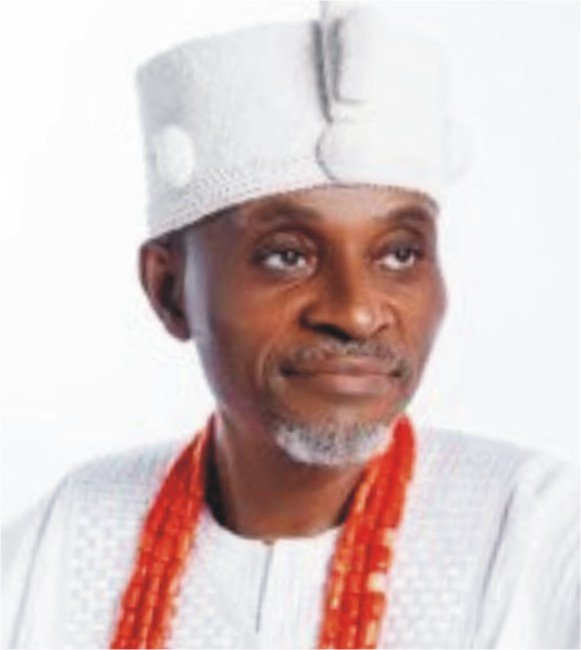
The Owu people have produced influential political figures whose voices, networks and influence continue to shape Ogun politics.
In Ogun State politics, there is one group of people whose presence, influence and political relevance cannot easily be ignored: the Owu people.
Whether in Abeokuta, other parts of Ogun State or beyond, the Owu people have continued to demonstrate that political relevance is not determined by holding public office alone. Population strength, community networks, traditional institutions, influential personalities and the ability to mobilise support are equally important ingredients in the political equation.
This explains why many politicians in Ogun State are careful not to take the Owu people for granted.
The Owu people are among the prominent Yoruba subgroups in Ogun State, with a strong historical and cultural presence, particularly in Abeokuta.
Their communities, family connections and traditional institutions have helped sustain a strong sense of collective identity over generations.
In Abeokuta, Owu settlements and communities form an important part of the city’s social and political landscape. Their presence extends beyond the traditional homeland, as Owu sons and daughters have established themselves in different parts of Ogun State, Nigeria and the diaspora.
Owu is very crucial for any politician who want to be Ogun state governor. It is important because of the influence of the people and important of the town.
For politicians seeking electoral support, the Owu factor is therefore not something to overlook.
One name that immediately comes to mind when discussing the political influence of the Owu people is former President Olusegun Obasanjo.
Obasanjo is not just an Owu son; he is one of Nigeria’s most influential political figures, with decades of experience in military administration, civilian politics and international diplomacy.
His political influence goes beyond Ogun State. From his years as military Head of State to his two terms as democratically elected President, he has remained a prominent voice in national political conversations.
In Nigerian politics, Obasanjo is known for his outspoken nature and willingness to express strong opinions about political leaders and developments.
His words can generate national debate, unsettle political calculations and put political careers under intense pressure.
For any politician in Ogun State, having such an influential personality within the wider Owu community is a reminder that the group has connections and voices that extend far beyond local politics.
Another prominent political figure associated with Owu is Senator Ibikunle Amosun, former Governor of Ogun State.
Amosun’s political journey, particularly his eight years as governor between 2011 and 2019, established him as one of the major political figures in the state.
His influence, political structure and relationships across Ogun State have continued to make him a relevant personality in the state’s political discussions.
The presence of personalities such as Obasanjo and Amosun in the Owu political space reinforces the perception that the community has produced leaders capable of influencing conversations at both state and national levels.
Beyond the personalities, the real strength of the Owu people lies in their community structure, historical identity and connections.
They have traditional rulers, businesspeople, professionals, political officeholders, grassroots mobilisers and influential individuals in different sectors.
Their social networks extend across generations, creating relationships that can become important during elections, political consultations and community development initiatives.
In a state where political calculations often involve balancing geographical interests, ethnic identities, traditional institutions and grassroots support, no serious politician can afford to ignore a community with such historical roots and established networks.
However, political influence is not simply about population. It also depends on unity, organisation, leadership and the ability to translate collective interests into meaningful political participation.
Perhaps the greatest opportunity before the Owu people is the need to convert their historical influence and numerical presence into a more coordinated political voice.
The community has produced influential personalities, but its future political relevance will depend on how effectively its sons and daughters work together, support one another and build a common agenda.
There is also a need for younger Owu professionals, entrepreneurs and political actors to become more involved in leadership and public affairs.
The annual Odun Omo Olowu festival is one of the platforms that reinforces this collective identity. It brings together Owu sons and daughters from different walks of life to celebrate their heritage, reconnect with their roots and strengthen relationships.
Such gatherings are important because political influence is often built through relationships, trust and a shared sense of belonging.
Ogun politics is a game of numbers, influence, relationships and political calculations. The Owu people possess several of the ingredients that make a community politically relevant.
From the national influence of Olusegun Obasanjo to the political experience of Ibikunle Amosun, the community has produced personalities whose contributions cannot be ignored in discussions about Ogun State politics.
The message is simple: Owu people are not just a historical community in Abeokuta; they are an important part of Ogun State’s political and social landscape.
And for politicians looking towards the future, one thing remains clear: building relationships with the Owu people is not merely a political courtesy. It is a strategic consideration.
Isaac Abimbade
(08155107955)
