

-
In The OWORONSHOKI Area Of LAGOS
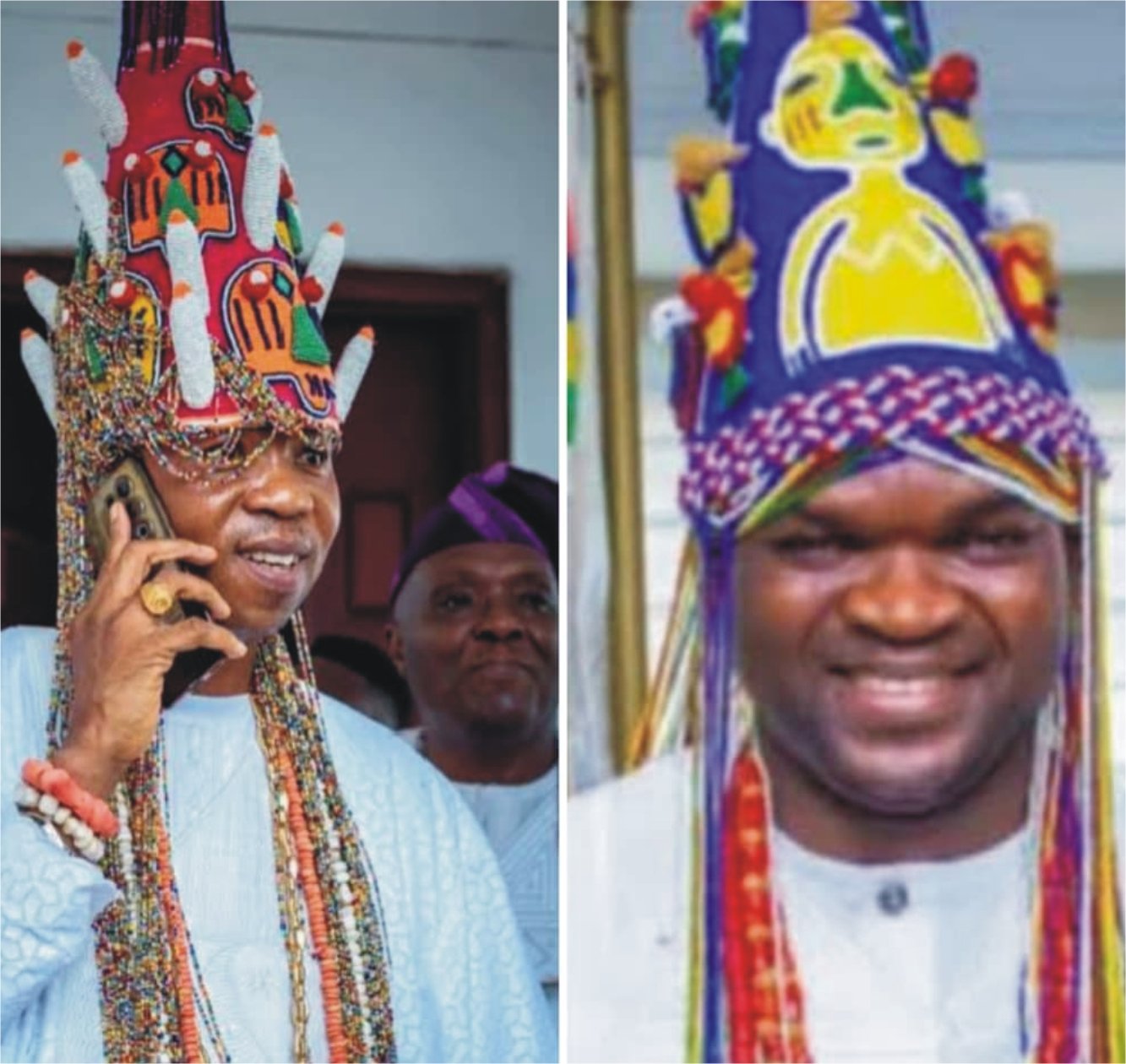
The traditional history of Oworonshoki has taken an interesting turn, producing a royal story that is as fascinating as it is unusual. At the centre of it are two brothers who have both ascended traditional thrones in the Oworo community, Oba Kabiru Adesegun Bashir, the Oba of Oko Baba, and his brother, Oba Babatunde Saliu, the Oloworo of Oworonshoki.
Their story is one of family heritage, traditional authority, succession, rivalry and the delicate balance between royal responsibilities and community expectations.
While the emergence of two brothers as traditional rulers has attracted attention, the circumstances surrounding their respective ascensions have made their story even more compelling.
For many residents and observers of Oworo land, the question is not simply how two brothers became kings, but how their individual journeys to the throne unfolded and how the community has responded to the developments.
Oba Kabiru Adesegun Bashir’s journey to the throne of Oko Baba Agba was not without challenges. His emergence followed years of discussions about the traditional identity of Oko Baba Agba and its relationship with the larger Oworonshoki community.
The Lagos State Government’s position was that Oko Baba Agba should be recognised as a distinct traditional community, with its own Obaship stool. The government said the decision followed recommendations of a Standing Tribunal of Inquiry into Chieftaincy Matters and the subsequent approval processes.
Oba Kabiru, who had previously held the traditional title of Kekeniju Opemoluwa, eventually received government recognition as the Olu of Oko Baba Agba. He was presented with his Staff of Office on August 14, 2026, according to local reports.
However, his brother is not well pleased. Oba Babatunde Saliu, the Oloworo of Oworonshoki, became involved in the dispute surrounding his elder brother’s installation. Other members of the extended royal family also challenged aspects of the process.
The disagreement reflected deeper questions about the historical boundaries of traditional authority, the royal family’s interests and the process through which a new traditional institution should be established.
In November 2026, a Lagos State High Court issued an order setting aside Kabiru’s appointment and installation and restraining further steps towards his proposed coronation. The monarch subsequently appealed the decision and sought a stay of execution.
The story of Oba Babatunde Saliu’s emergence as the Oloworo is equally interesting.
Following the death of their father, the late Oba Bashiru Oloruntoyin Saliu, the Oloworo throne became the subject of a succession dispute within the royal family.
Among the prominent contenders was Prince Nurudeen Olalekan Saliu, who was presented by some family members and chiefs as the preferred successor. Babatunde, however, eventually emerged as the new Oloworo.
The development generated considerable controversy. Some chiefs and members of the royal family publicly argued that Nurudeen should have succeeded their late father. They maintained that the late monarch had expressed a preference for his elder son.
However, the elders and kingmakers who supported Babatunde maintained that he was qualified and had emerged through the selection process. They also said his emergence enjoyed the support of important traditional stakeholders.
One of the most talked-about developments in the story of the two brothers was the scheduling of their traditional activities on the same day.
After his emergence and installation, Oba Kabiru’s coronation celebration was scheduled for Saturday, November 14, 2026. Interestingly, the date coincided with a major outing of the annual Egungun Festival organised under the authority of his younger brother, the Oloworo, Oba Babatunde Saliu.
The overlapping programmes attracted attention across Oworonshoki. For a community with a rich traditional heritage, the coincidence was particularly striking because both events were associated with two brothers from the same royal family.
Rather than being just another clash of social events, the situation brought renewed attention to the relationship between the two royal institutions and the question of how traditional activities could coexist peacefully.
Beyond the controversies surrounding his emergence, one important aspect of Oba Kabiru’s story is the reception he has received from sections of the Oworo community.
His supporters see his emergence as an opportunity to strengthen the identity and development of Oko Baba Agba. They believe the establishment of a distinct traditional institution can give the area greater visibility and provide a platform for addressing its developmental needs.
Since his emergence, the monarch has attracted visitors, traditional stakeholders, politicians, community leaders and well-wishers to his palace.
His supporters have also expressed optimism that his reign will open new opportunities for community development, particularly in infrastructure, education, youth empowerment and attracting investors.
However, it is important to acknowledge that the royal dispute has not disappeared. The court proceedings and competing positions within the extended royal family show that reconciliation and respect for the legal process remain important.
The story of Oba Kabiru Adesegun Bashir and Oba Babatunde Saliu is one of the most unusual royal developments in contemporary Oworonshoki.
One brother became Oloworo after a succession contest involving his elder brother, Nurudeen. Years later, the other brother emerged as the Olu of Oko Baba Agba through a separate traditional and government recognition process.
Their individual journeys have produced two royal institutions whose histories are closely connected by family ties.
For Oworonshoki, the bigger challenge is ensuring that traditional differences do not become permanent divisions among its people.
The two brothers have an opportunity to make their respective reigns meaningful through peaceful coexistence, cultural preservation and community development.
After all, beyond the crowns, palaces, traditional festivals and elaborate ceremonies, the greatest legacy any monarch can leave is a united and prosperous people.
And that is perhaps the most important chapter yet to be written in the fascinating royal story of the two brothers of Oworonshoki.
Isaac Abimbade
08155107955
