

The Lagos Real Estate industry is one of the biggest economic forces in the state. From luxury developments in Ikoyi, Victoria Island and Lekki to emerging property markets in Ibeju-Lekki, Epe, Badagry and the outskirts of the metropolis, the industry has continued to shape the economic and physical landscape of Lagos. It is also one of its biggest IGR sectors.
Beyond the impressive buildings, luxury estates and ambitious development projects, there is an important relationship between the property industry and the government. For real estate investors, developers, estate surveyors, property consultants and landowners, government policies can determine whether an investment flourishes or becomes a difficult business venture.
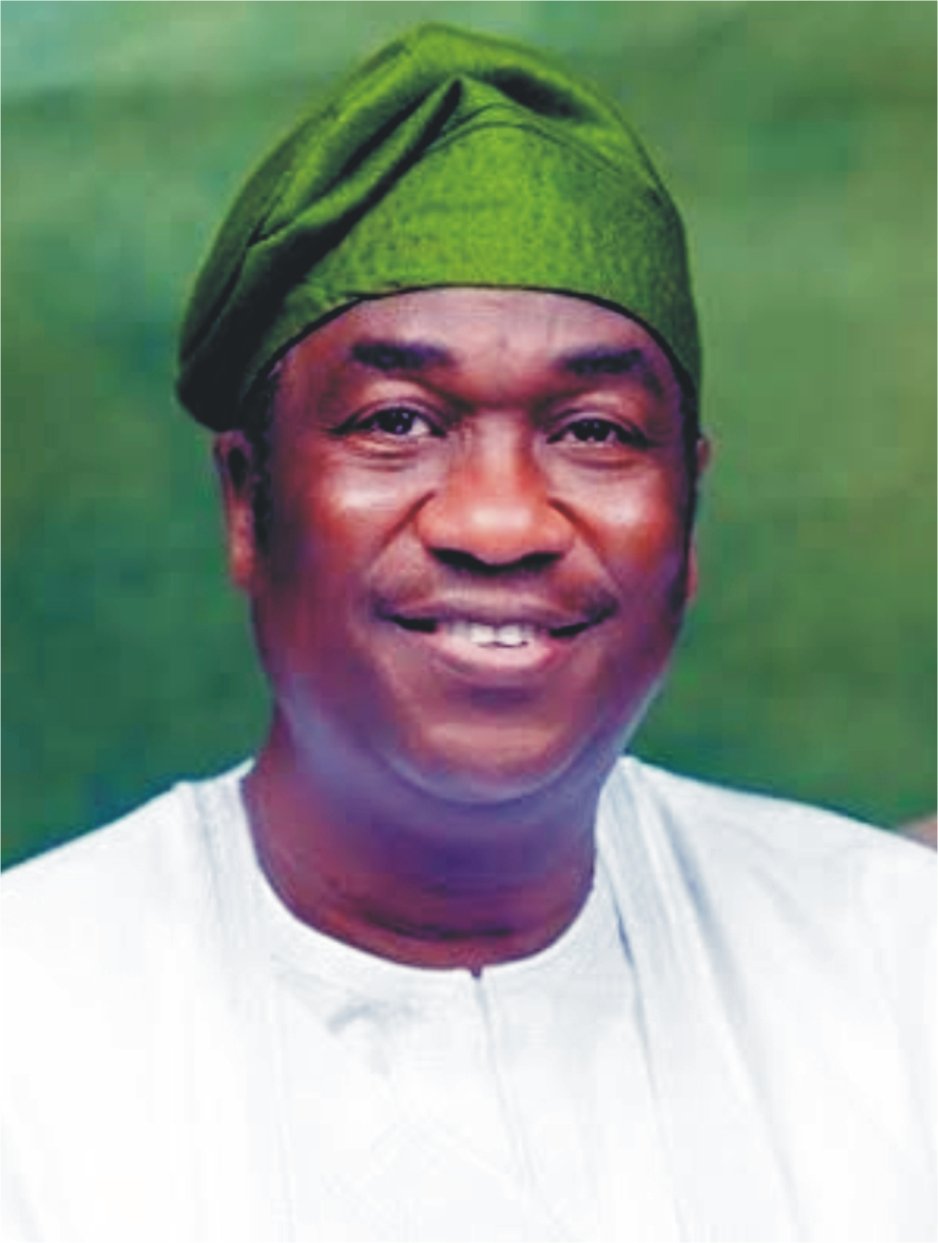
This is one reason the governorship ambition of Lagos State Deputy Governor, Dr Kadri Obafemi Hamzat, is attracting attention in the Real Estate community ahead of the 2027 election.
Although there has not been a publicly documented collective endorsement by Lagos Real Estate developers as a group, there are several reasons industry stakeholders may find his candidacy attractive.
One of Hamzat’s strongest selling points is his experience in public administration and infrastructure development.
Having served as Commissioner for Works and Infrastructure and subsequently as Deputy Governor since 2019, he has been involved in the policy environment that shapes construction, transportation, urban development and investment in Lagos.
For property developers, these are not abstract government responsibilities. They directly affect the value of land, the attractiveness of neighbourhoods and the profitability of real estate investments.
A new road can transform an overlooked community into a desirable residential destination. Improved transportation can make an estate several kilometres away from the commercial centre more attractive to prospective homeowners.
Similarly, efficient land administration can reduce uncertainty for developers and encourage more investment.
Hamzat’s experience across successive Lagos administrations gives him an understanding of these interconnected issues.
One of the biggest concerns in Lagos Real Estate is land documentation.
For developers and investors, obtaining Certificates of Occupancy, Governor’s Consent, building approvals and other necessary documentation can be a demanding process.
Delays in documentation can tie down capital, increase project costs and discourage investors.
This is an area where Hamzat has an opportunity to make a significant difference if elected governor.
At a governorship debate in November 2026, he spoke about reducing the time required to obtain property regularisation and title documents. He also discussed the automation of land-documentation processes and the need to make housing more accessible. TheCable
For property developers, such proposals are important because time is money in the real estate business.
An investor who can obtain the necessary documentation efficiently is better positioned to plan construction, attract financing and deliver projects within reasonable timelines.
Another issue that makes Hamzat’s experience particularly relevant is the digital transformation of land administration in Lagos.
The introduction of digital mapping, electronic geographic information systems and improved land-information management has the potential to change how property transactions are conducted.
A more efficient digital land administration system can help investors verify property information, improve planning and reduce uncertainty surrounding land ownership and development.
For an industry where due diligence is essential, technology-driven land administration is a major advantage.
Hamzat’s background in technology and public-sector digital transformation could therefore become an important asset in building a more transparent and efficient property market.
Ask many property developers what makes a location attractive, and infrastructure will feature prominently in their answers.
Roads, bridges, electricity, drainage, water supply and public transportation all contribute to property values.
This explains why real estate players closely monitor major infrastructure projects across Lagos.
The Lekki-Epe corridor, Ibeju-Lekki, Epe, Badagry and other emerging locations have attracted considerable attention as investors anticipate improved connectivity and economic activity.
For developers who have invested heavily in these areas, continuity in infrastructure planning is important.
Hamzat’s experience in the Ministry of Works and Infrastructure and his participation in the present administration’s development agenda could reassure investors who want existing infrastructure commitments sustained and expanded.
The Lagos property market has a major challenge: the gap between the cost of housing and what ordinary residents can afford.
While luxury developments continue to spring up in high-value neighbourhoods, many Lagos residents struggle to find affordable accommodation.
At the November 9 governorship debate, Hamzat called on private estate developers to consider developing properties in less affluent communities instead of concentrating exclusively on expensive locations such as Ikoyi and Victoria Island.
He also promised to work towards enforcing the one-year rent payment provision and completing ongoing government housing projects. TheCable
His position is particularly relevant to developers looking for new investment opportunities outside the traditional luxury property market.
There is a huge opportunity in affordable housing, but it requires government collaboration, accessible land, infrastructure and an enabling regulatory environment.
Real estate is a long-term investment. Unlike some businesses that can recover their capital within months, property development often requires years of planning, financing, construction and marketing.
Consequently, investors prefer a government that understands the importance of policy consistency.
His long involvement in Lagos governance is presented as an advantage for maintaining institutional knowledge and sustaining existing development programmes.
President Bola Tinubu endorsed him as the APC consensus governorship candidate in April 2026, following support from the Governance Advisory Council and Governor Sanwo-Olu.
Developers want faster land documentation, more transparent planning approvals, improved infrastructure and better coordination between government agencies.
They also want a property market where investors can operate with confidence and ordinary Lagos residents have greater access to decent accommodation.
The industry will equally expect stronger protection for property rights, more predictable regulations and a planning system that discourages indiscriminate development.
These are the issues that should define the relationship between the next governor and the real estate community.
For Lagos real estate players, the 2027 governorship election is more than a political contest. It is also about the future business environment of the state’s property market.
Dr Hamzat brings years of experience in government, an understanding of infrastructure development and a background in technology-driven administration.
His recent comments on land documentation, rent regulation and affordable housing have also placed property-related issues firmly within his governorship conversation.
Isaac Abimbade
08155107955
