

Raising children in today’s world requires more than providing food, education and shelter. Parents are dealing with a generation growing up in a world shaped by social media, technology, changing values, peer pressure and exposure to different lifestyles. Unlike previous generations, today’s young adults have access to information and opinions from across the world, making parenting a responsibility that requires patience, understanding, wisdom and effective communication.
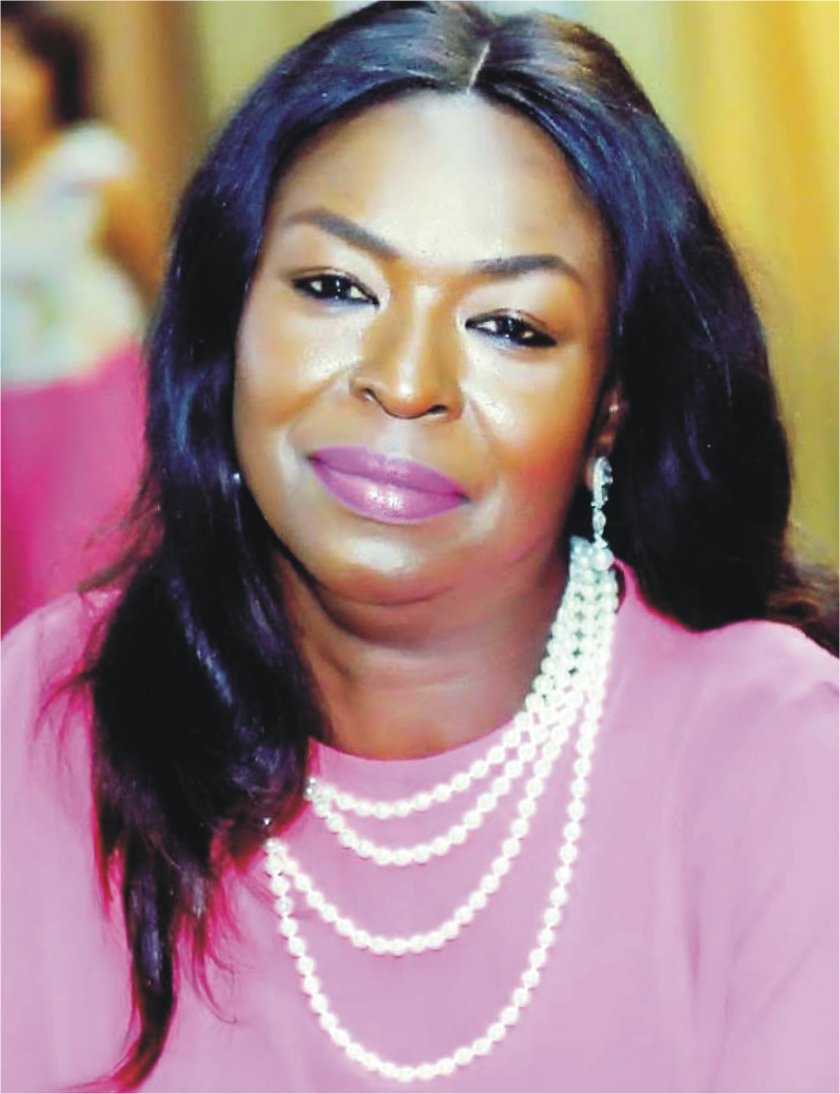
This was one of the issues addressed by Pastor Tochi Opara during the maiden edition of Woman O’Clock, organised by Apostle Busola Jegede, Founder of Daughters of Destiny Interdenominational Fellowship. Speaking on the topic, How to Raise Young Adult Children. She highlighted the importance of understanding the generation parents are raising and developing better ways of communicating with them.
One of the important points she raised was the need for parents to be confident. Raising young adults requires parents to approach their responsibilities with confidence rather than allow the changing attitudes and lifestyles of the younger generation to make them lose their sense of direction. Parents must understand their responsibilities and remain firm in the values they want to pass on to their children.
She also encouraged parents to read and stay informed about the things shaping their children’s world before offering advice. Rather than reacting to issues they do not understand, parents should take time to learn about the trends, conversations and developments influencing young people.
This is particularly important in an age where social media platforms such as TikTok, Instagram and YouTube have become major sources of information, entertainment and influence for young people. The internet exposes children to different cultures, opinions, lifestyles and expectations, some of which may conflict with the values their parents are trying to instil. Parents who make no effort to understand these influences may struggle to have meaningful conversations with their children about the choices they make.
Another major point from Pastor Opara’s presentation was effective communication. She advised parents to become better listeners, stressing that they should listen more than they talk. Communication should not always be about parents expressing their opinions, giving instructions or correcting their children. Young adults also need opportunities to express themselves and feel that their thoughts and concerns are being heard.
This is an important part of building trust between parents and their children. When young adults feel that they can discuss their challenges without immediately being judged or condemned, they are more likely to approach their parents when faced with difficult decisions. Listening does not mean agreeing with everything a child says; it means understanding their perspective before responding.
She further encouraged parents to become good sources of information and guidance on the issues affecting their children. According to her, when parents make themselves knowledgeable about the things shaping their children’s lives, they become people their children can confidently approach for advice. Rather than dismissing their interests or concerns, parents should make deliberate efforts to understand them and offer helpful perspectives.
Beyond listening and staying informed, parents must also recognise that raising young adults involves preparing them for independence. As children grow older, they begin to develop their own opinions, make personal decisions and take on responsibilities. Parents must gradually allow them to exercise sound judgement while remaining available to guide them when necessary.
This does not mean abandoning parental authority. Rather, it involves finding a balance between giving young adults room to grow and ensuring that they understand the consequences of their choices. Setting reasonable boundaries, teaching accountability and allowing children to learn from their mistakes are all important parts of preparing them for adulthood.
Another issue parents cannot afford to overlook is emotional wellbeing. Young people face pressures relating to academics, relationships, career choices, financial expectations, friendships and their appearance. Social media can also create unrealistic expectations, making some young adults feel inadequate when they compare their lives with what others display online.
Parents therefore need to create homes where their children feel emotionally supported. A child should not have to pretend to be happy or successful all the time to receive their parents’ attention and affection. Recognising when a young adult is struggling, showing concern and making time for honest conversations can make a significant difference.
There is also the need for parents to lead by example. Children do not learn only from what their parents say; they observe how they behave, communicate, handle disagreements and treat other people. Parents who demand honesty, discipline, respect and responsibility must also demonstrate these qualities in their everyday lives.
Pastor Opara also reminded parents of the importance of praying for their children. Beyond conversations, advice and practical guidance, she stressed the need to commit their children’s lives and future into God’s hands. Her message highlighted the importance of combining prayer with intentional parenting, effective communication and a willingness to understand the realities young adults face.
Ultimately, raising Gen Z children requires parents to remain involved without becoming unnecessarily controlling, to be firm without becoming harsh, and to offer guidance without shutting down communication. The world their children are growing up in may be different from the one they knew, but the need for love, direction, discipline, understanding and parental support remains important.
Pastor Opara’s presentation served as a reminder that parenting does not end when children become teenagers or young adults. Rather, it evolves as they grow, requiring parents to become more intentional about how they communicate, guide and prepare them for the responsibilities of adulthood.
Sarah OJO
09037325110
